
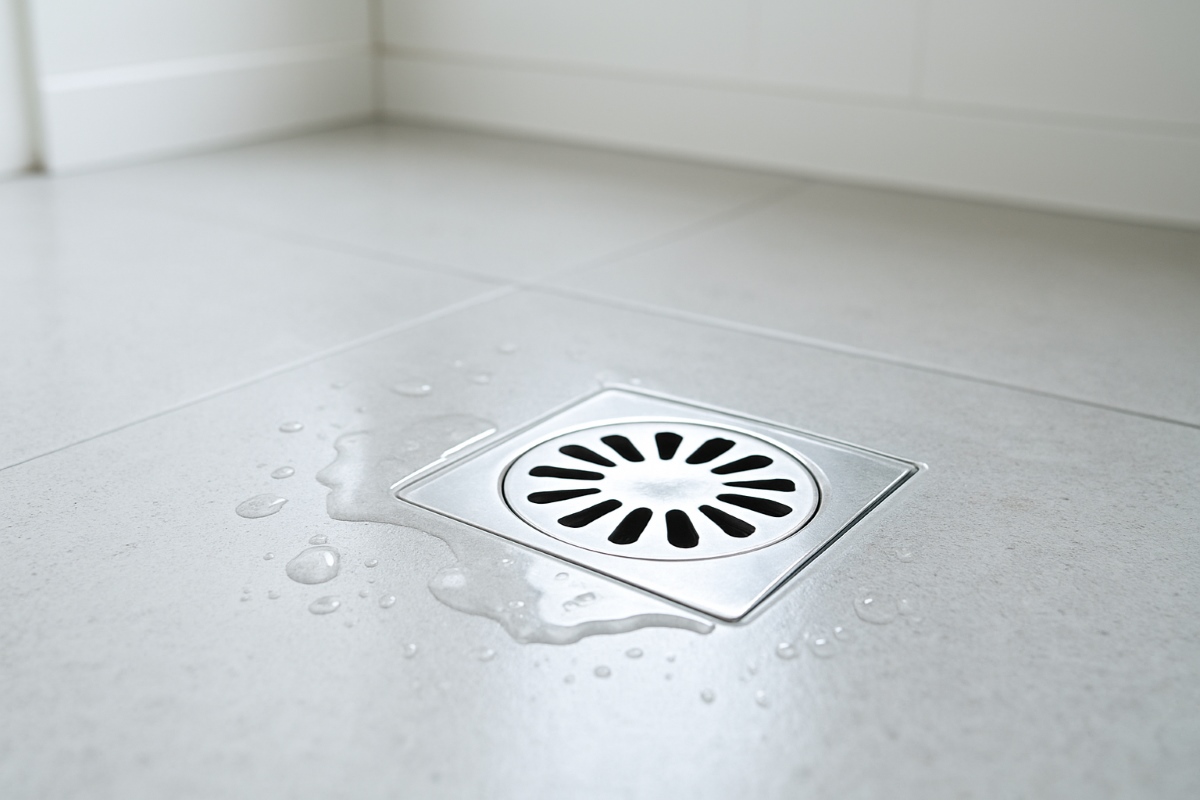
How to clean floor drains is a question many of us don’t think about—until, of course, something goes wrong.
Picture this: It’s been a long day. You finally kick back, sink into your favorite chair, and relax in your sparkling clean living room. Everything’s perfect… or so you thought. But wait. Suddenly, a foul smell sneaks in, filling the entire room. It’s like something’s off, but you can’t quite place it. Everything looks fine—except for that smell.
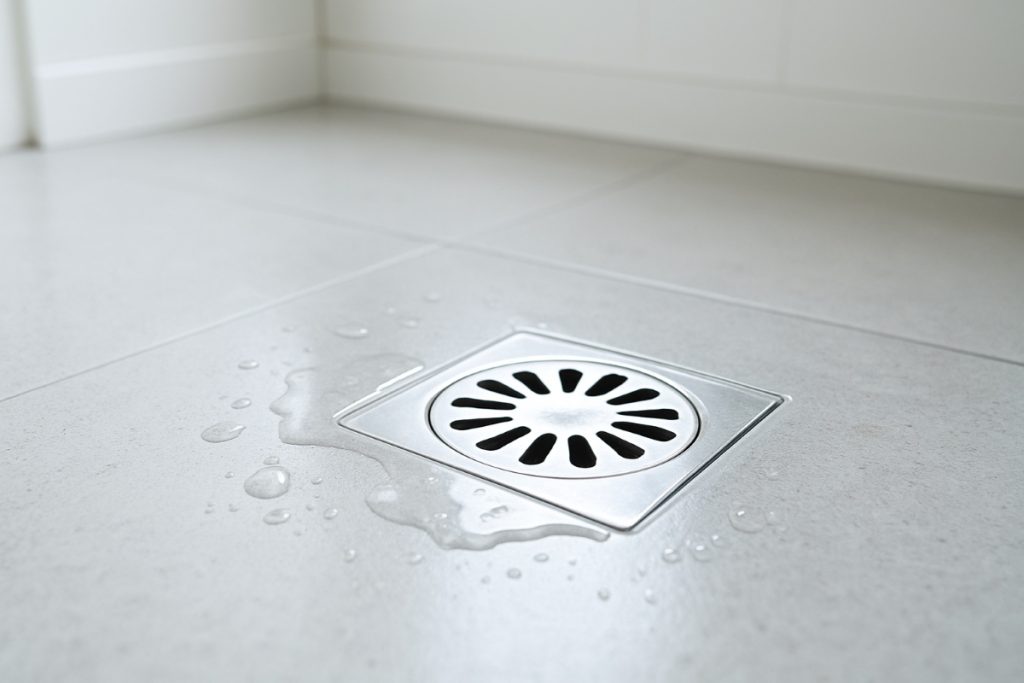
Where is it coming from? You start sniffing around like a detective on a case. And there it is; the floor drain!
Yup, that little drain you barely think about? It’s the culprit. Hair, food, grease—who knows what’s down there, but it’s causing some serious stink. But don’t worry! Cleaning a floor drain is way easier than you think. With a few simple tools and steps, you’ll have that nasty smell gone and your home feeling fresh again.
Let’s get to work, shall we?
Drain Cleaning at a Glance:
1️⃣ Clear any debris around the area
2️⃣ Use a plunger to loosen minor blockages
3️⃣ Scrub the trap with a small brush or old toothbrush
4️⃣ Pour 1/2 cup baking soda, then 1 cup vinegar; let let it fizz for 15 minutes
5️⃣ Use a drain snake for deep blockages
6️⃣ Flush with hot water
7️⃣ Replace the drain cover
Tools You’ll Need to Clean Your Floor Drains
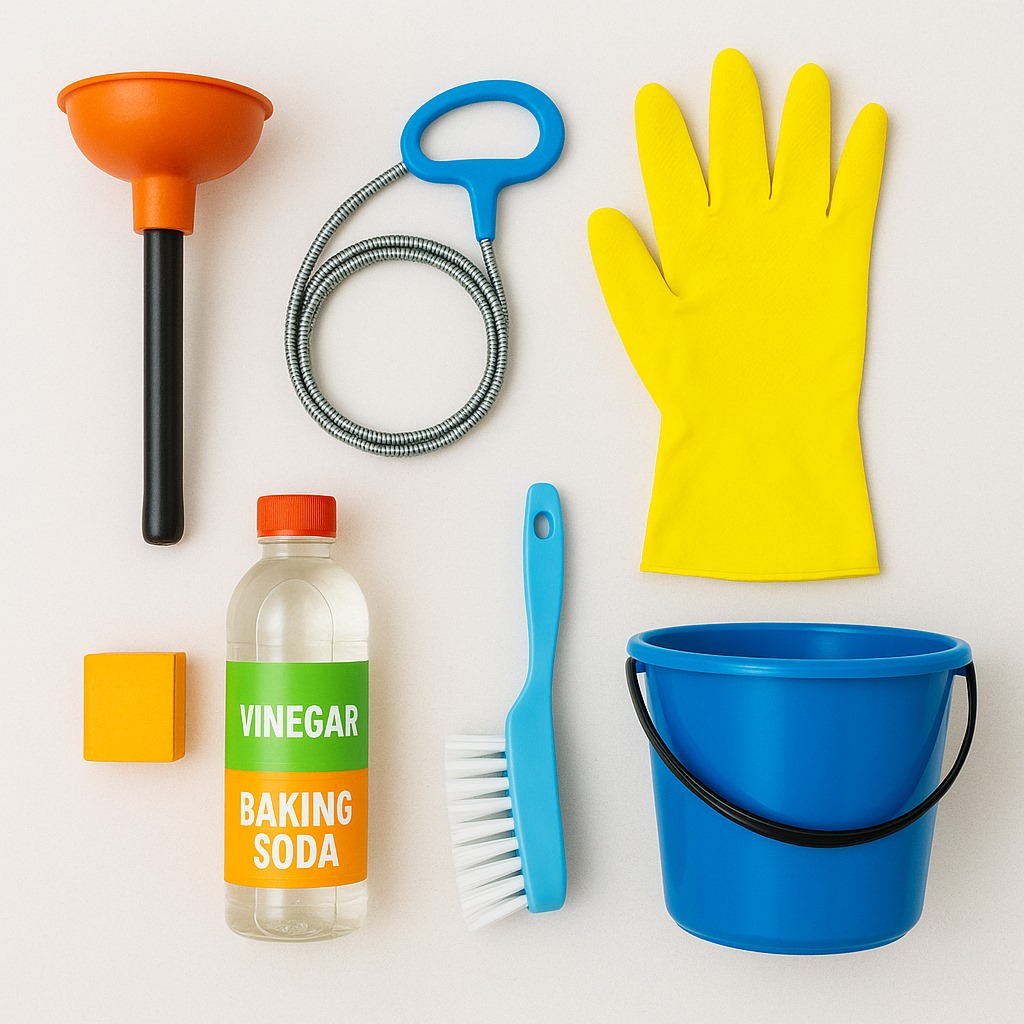
Before you start, gather these essentials to make the job easier:
✔Plunger: For dislodging minor clogs. Give it a few pumps to get things moving.
✔Drain Snake: A flexible tool to reach and clear deeper blockages.
☑Rubber Gloves: Keep your hands safe and clean while handling grimy drains.
✔Baking Soda and Vinegar: A natural, non-toxic solution that breaks down gunk and neutralizes odors.
✔Bucket or Bowl: To catch any messy water or debris during the process.
☑Old Toothbrush or Scrub Brush: For scrubbing out the drain trap and any stubborn buildup.
✔Pipe Wrench (optional): Use this if the drain trap is too tight or clogged to remove.
Ready to gear up? Grab any missing tools on Amazon➡
Now that you’ve got everything ready, let’s dive into how to clean floor drains in a few simple steps!
How to Clean Floor Drains: Step-by-Step Guide
To clean floor drains, start by removing debris, then use a plunger for minor clogs. Clean the trap, followed by a baking soda and vinegar treatment. Use a drain snake for deeper blockages, flush with hot water, and replace the cover.
Let’s break this down into detailed steps:
Step 1️⃣: Prepare the Area
Clear any visible debris around the drain. Lay down towels to catch any water or dirt that might spill while you clean.
Step 2️⃣: Use a Plunger (If Needed)
Apply the plunger to the drain to loosen minor blockages. Press down firmly, then pump several times to help break up debris. This step works best for minor clogs near the surface.
Step 3️⃣: Clean the Floor Drain Trap
Put on your rubber gloves➡ and remove the drain cover. Clean out the trap using a small brush or an old toothbrush. Scrub away any grime and buildup—this is where most odors and blockages hide.
💡Quick tip: You can also clean the drain trap regularly to avoid future clogs.
Step 4️⃣: Use Baking Soda and Vinegar
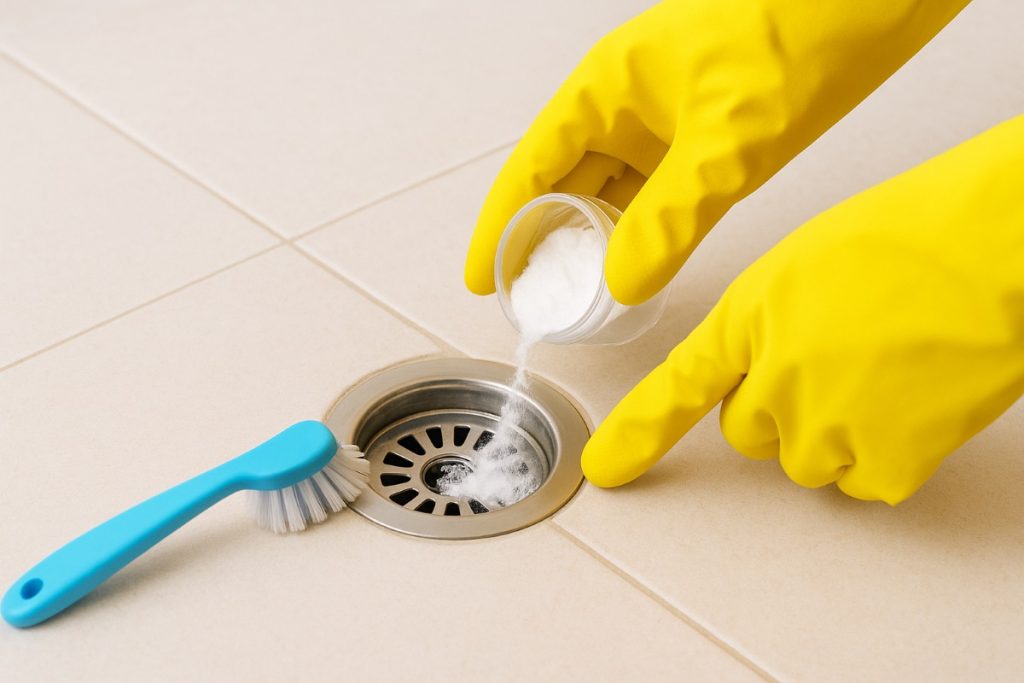
Pour ½ cup of baking soda➡ followed by 1 cup of vinegar ➡ into the drain. Let it fizz for 15 minutes. This natural combo breaks down organic material and neutralizes any lingering smells. It’s a significant preventive step to keep your drain odor-free!
Step 5️⃣: Clear Deep Blockages with a Drain Snake
If the drain’s still clogged, grab your drain snake➡. Feed it into the drain, twist it, and pull back to remove stubborn blockages. That’s perfect for reaching deeper, more persistent clogs.
Step 6️⃣: Flush with Hot Water
Once the drain is clear, pour hot water down to flush away any remaining debris or residue. The hot water also helps dissolve greasy buildup that may be lingering in the pipes.
Step 7️⃣: Replace the Drain Cover
Once you’ve cleaned the drain and cleared all blockages, replace the drain cover. Make sure it’s securely in place to prevent anything from falling back in.
Tips to Keep Your Floor Drain Clean and Odor-Free
Now that you know how to clean floor drains, it’s equally important to know a few things to prevent a similar situation in the future. Here are a few habits that go a long way:
✅Clean Your Drains Regularly
Cleaning your floor drain every 2-3 months is key to avoiding buildup. A quick scrub and flush every few months can save you time and trouble down the road.
✅Install a Drain Cover or Screen
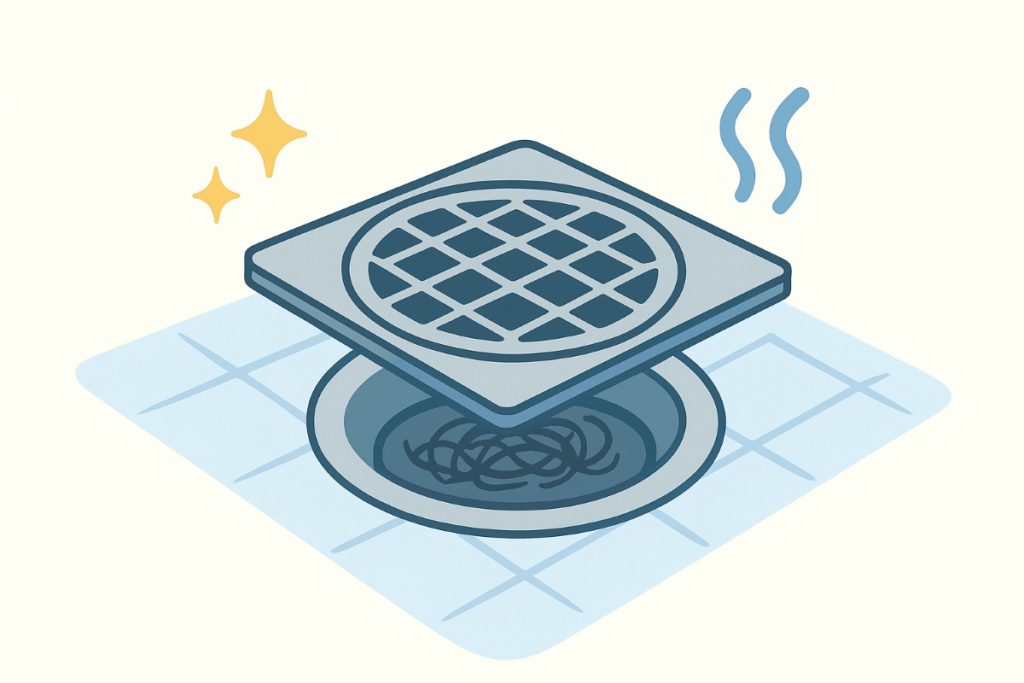
To keep debris from entering your drain, consider installing a drain cover or screen➡. These simple tools catch hair, dirt, and other larger particles, preventing them from clogging the drain. It’s a small investment that makes a big difference in keeping your drains flowing freely.
✅Avoid Pouring Grease Down the Drain
Say no to grease, oil, or fatty liquids down the drain. These substances solidify as they cool, leading to stubborn clogs that are hard to clear. Over time, they coat the pipes and trap debris, worsening the problem. Always dispose of grease in the trash.
✅Use Natural Cleaners
Baking soda and vinegar are effective, non-toxic cleaners that won’t damage your pipes. Use them regularly to break down organic buildup and neutralize odors.
Want to go green? Check out our previous post on how to clean floors without chemicals! ➡
Time to Clean those Drains: Let’s Keep Them Fresh!
It’s now time to take action. You’ve seen how easy it is to clean floor drains. With a few simple steps and the right tools, you’ll say goodbye to foul smells and clogged drains. Next, make drain maintenance a regular part of your routine, and enjoy a fresher, cleaner home all year long!
Drop a comment below and let us know how your drain-cleaning adventure turned out! 💬 We’d love to hear your tips and experiences!

Leave a Reply