
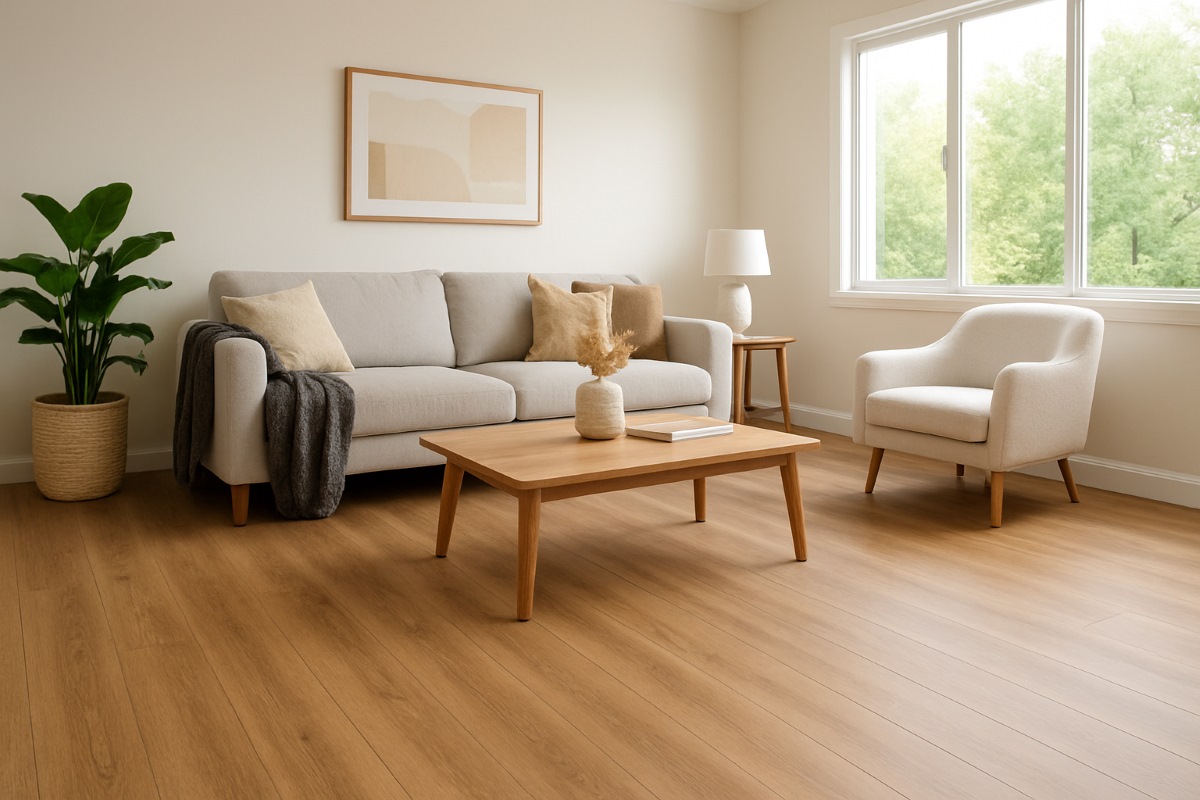
Many homeowners want the look of wood without the heavy price tag. And that’s where vinyl plank flooring steps in. In this guide, we’ll walk through the pros and cons of vinyl plank flooring to help you decide if it fits your home and lifestyle.
You’ll see what makes this flooring popular, where it shines, and where it may fall short. And by the end, you’ll have a clear picture to guide your next flooring choice.
🔔 Heads up! Some links in this post are affiliate links. As an Amazon Associate, we may earn a small commission—at no extra cost to you!
Vinyl Plank Flooring vs. Real Wood
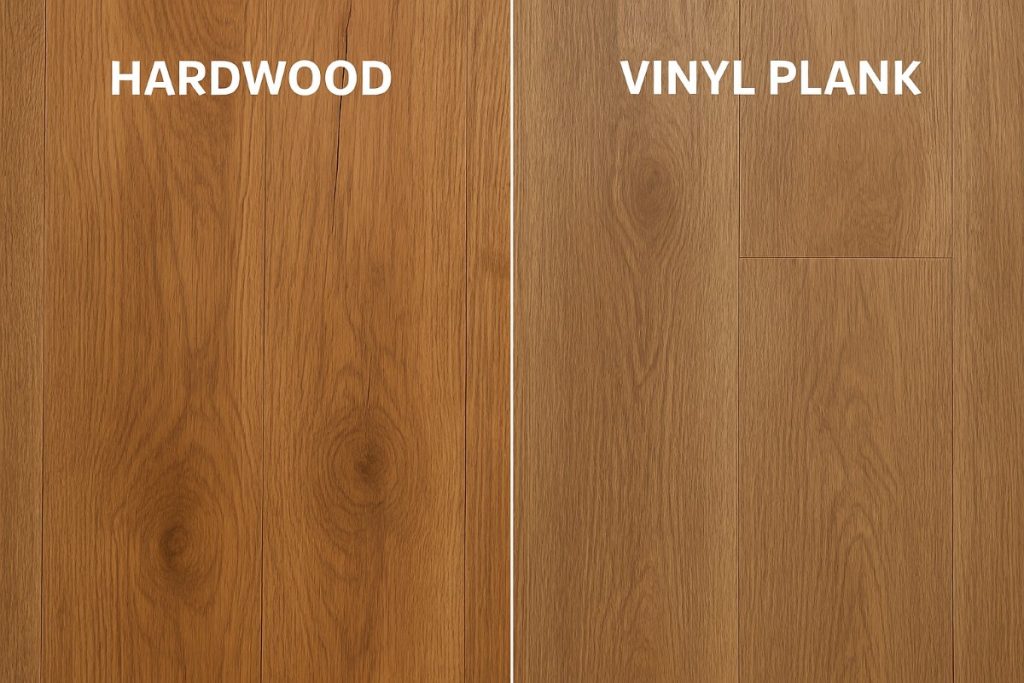
Vinyl plank flooring is a man-made floor that looks like wood. Each plank has color, texture, and grain that copy real timber. At a glance, most people can’t tell the difference.
Now, how does it stack up against real hardwood?
Hardwood feels rich and warm. It can last for decades, but it costs more and needs steady care. Conversely, vinyl plank is lighter on the wallet, easier to keep clean, and less fussy with spills. Still, it won’t age like true wood, and it may not boost home value as much.
So when we talk about the pros and cons of vinyl wood plank flooring, this is the core idea. Wood-like beauty with fewer demands, but not the same long-term character.
Pros and Cons of Vinyl Plank Flooring
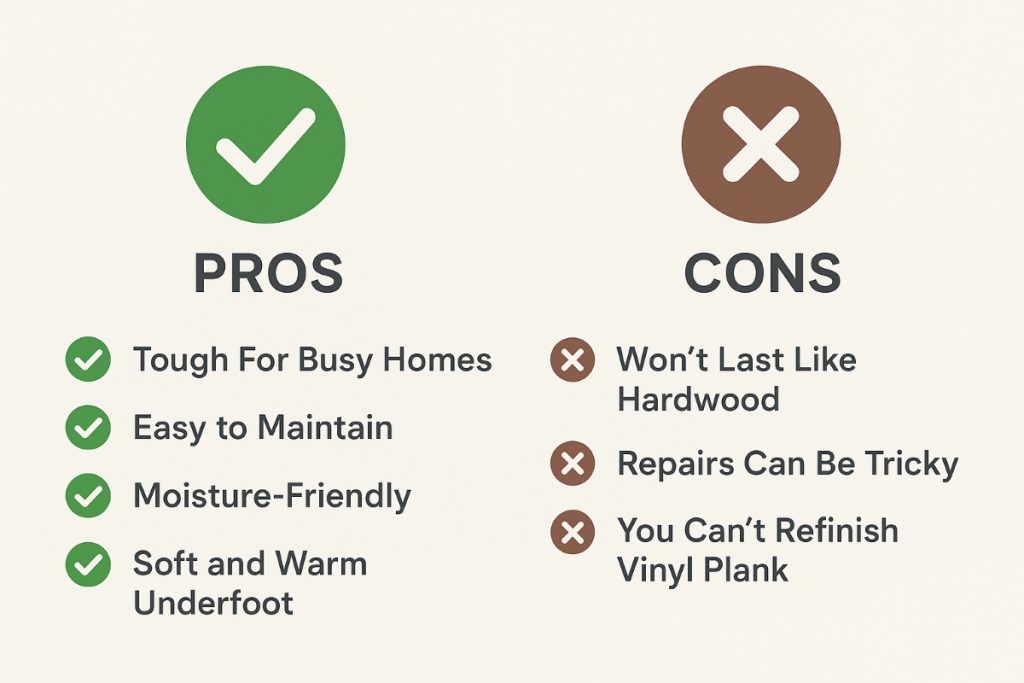
Now, let’s take you through the pros and cons of vinyl plank flooring in a simple list you can skim in seconds.
✅Pros — Where Vinyl Plank Shines
✔Tough For Busy Homes
Handles foot traffic, pets, and everyday use without worry.
✔Easy to Maintain
A sweep and light mop keep it clean. No sanding or sealing.
✔Moisture-Friendly
Great for kitchens, bathrooms, or areas where real wood may struggle.
✔Soft and Warm Underfoot
Feels gentle underfoot, reduces noise, and adds comfort to daily living.
✔Budget-Friendly Wood Look
Gives that warm timber look without the high cost of hardwood.
❌Cons — Points to Think About
☑Won’t Last Like Hardwood
It scratches, dents, and fading can show over time.
☑Repairs Can Be Tricky
Replacing a single plank isn’t always simple. Sometimes several need lifting.
☑You Can’t Refinish Vinyl Plank
When it wears down, it must be replaced — unlike wood that can be renewed.
☑Lower Resale Impact than Real Wood
It looks great, but buyers still value hardwood more.
A Quick Side-by-Side View:
| Feature | Vinyl Plank | Hardwood |
| Cost | Lower | Higher |
| Water resistance | Strong | Weak-moderate |
| Maintenance | Very easy | Needs care |
| Lifespan | Good, not lifelong | Can last decades |
| Comfort | Softer, quieter | Harder, louder |
| Resale value | Decent | Strong |
Exploring Luxury Vinyl Plank (LVP): A Step Up?
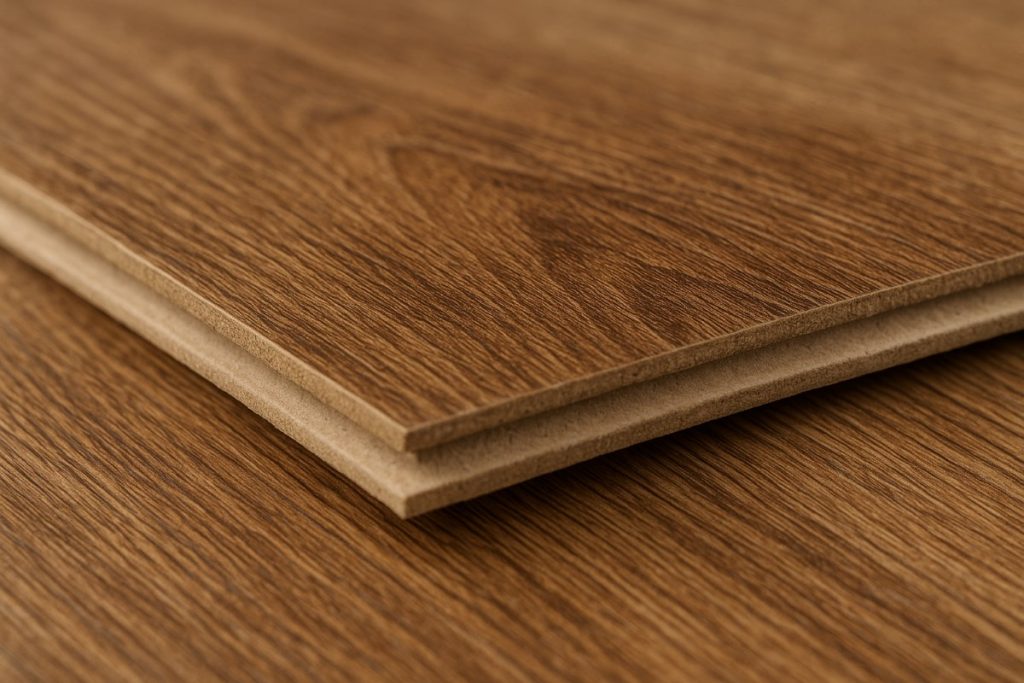
Vinyl plank flooring looks like real wood—but with its own perks and drawbacks.
Luxury Vinyl Plank, or LVP, is like vinyl’s upgraded cousin. Better patterns, thicker feel, and a tougher wear layer that handles more action. It gives you the same easy care and comfort, but with more style and strength.
So what are the pros and cons of luxury vinyl plank flooring?
Why People Choose LVP✅
✔Richer design and texture — looks even closer to real hardwood.
☑Thicker wear layer — stands up to pets, kids, and heavy traffic with less stress.
✔Better long-term durability — fewer scratches, fewer dents.
✔Still water-safe — perfect for spill-prone rooms.
The Trade-Offs❌
✔Higher price than standard vinyl plank — still cheaper than hardwood, though.
☑Not a big jump in resale value — homebuyers see it as “nice,” not premium.
✔Same limitation with repairs — when it wears, replacement is the only fix.
If you want deeper color, sharper grain, and greater durability in daily use, LVP may be worth the extra cost. This choice often works best in busy homes, rental units, or high-traffic spaces like hallways and living rooms.
Next, we look at how installation plays a role, especially with glue-down planks, and how they compare.
Installation Styles Matter: Floating vs Glue-Down Planks
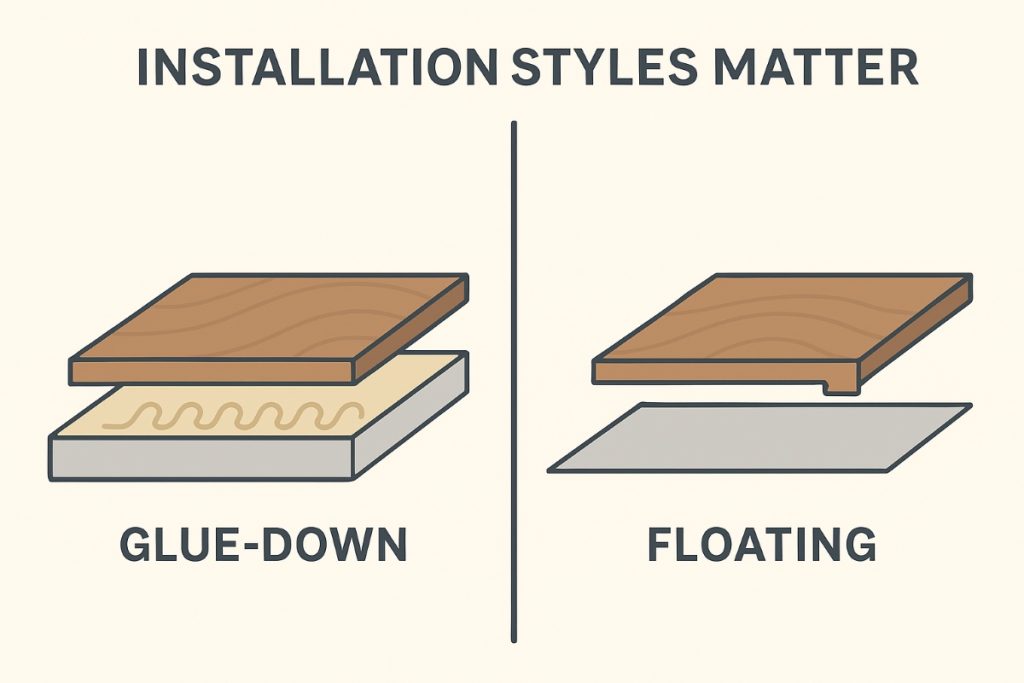
How you install vinyl plank flooring affects how it feels, how long it lasts, and how it repairs. The two main styles are floating and glue-down.
1️⃣Glue-Down Vinyl Plank Flooring
The planks are typically glued directly to the subfloor. This gives a very stable, solid feel underfoot. No shifting, less noise—great for high-traffic areas like kitchens or entryways.
❌But There Are Some Trade-Offs:
☑Harder to repair — lifting glued planks is tricky.
✔Takes more time and skill to install — not always a DIY-friendly option.
☑Permanent — once down, it’s not easy to move or reuse.
2️⃣Floating Planks
These planks click together without glue. They’re faster to install, easier to replace, and more forgiving on imperfect subfloors. Perfect for bedrooms or rooms you might remodel later.
Which Homes Benefit Most?
✔Busy kitchens, commercial-style spaces → glue-down planks for stability.
✔Bedrooms, home offices, or DIY-friendly projects → floating planks for flexibility.
Understanding installation is key before tackling tricky surfaces. Next, we’ll tackle the question: Can you install vinyl plank over tile?
Can You Install Vinyl Plank Over Tile?
Yes, people often install vinyl plank flooring over tile — but there are some things to consider. Here’s the breakdown of the pros and cons of installing vinyl plank flooring over tile.
Pros✅
✔Saves time and effort — no need to remove old tile.
☑Smooth surface ready for planks — as long as the grout lines are level.
✔Less dust and mess — a cleaner, quicker upgrade.
Cons❌
☑Subfloor prep is critical — bumps or uneven grout can show through.
✔Height changes — adding a new layer raises the floor, potentially affecting doors or cabinets.
☑Sound and feel — the floor can feel slightly harder and may echo more than over a standard subfloor.
✔Heat retention — vinyl may feel cooler when installed over tile in colder rooms.
If your tile is even and the room doesn’t mind a slight height increase, this is a fast, budget-friendly upgrade. For uneven surfaces or door-sensitive areas, extra prep or a floating underlayment might be needed.
Final Verdict: When Vinyl Plank Is Worth It — and When It Isn’t
Vinyl plank flooring isn’t perfect for everyone, but it shines in many homes.
When It’s Worth It:
✔Busy families — spills, pets, and heavy foot traffic? Vinyl handles it.
☑Rental properties — affordable, stylish, and easy to maintain.
☑Budget-conscious homeowners want wood look without breaking the bank.
✔High-moisture rooms — kitchens, bathrooms, basements, or laundry areas.
When You Might Pass:
☑Long-term homeowners seeking resale value — hardwood still wins here.
✔Collectors or traditionalists — those who want authentic wood character and aging.
☑Areas with extreme wear or direct sunlight — vinyl can fade or dent over time.
In short, vinyl plank is practical, stylish, and forgiving. It’s a smart choice for modern living, but not a replacement for the timeless value of real hardwood. Consider your home, your lifestyle, and the room’s needs. Then decide if vinyl plank fits your plan.
Helpful Resources for Your Vinyl Plank Flooring
If you’re thinking about vinyl planks for a specific room, check out our guide on the best flooring for a home office➡. It breaks down options that balance comfort, style, and durability — and shows why vinyl plank can be a top choice for workspaces.
Worried about scratches or everyday wear? Our vinyl plank scratch repair guide➡ walks you through easy fixes to keep your floors looking fresh and polished for years.

Leave a Reply